Xiamen Tmax Battery Equipments Limited was set up as a manufacturer in 1995, dealing with lithium battery equipments, technology, etc. We have total manufacturing facilities of around 200000 square foot and more than 230 staff. Owning a group of experie-nced engineers and staffs, we can bring you not only reliable products and technology, but also excellent services and real value you will expect and enjoy.
A sodium battery production plant is a specialized industrial facility designed for the largescale manufacturing of sodiumion batteries, an emerging energy storage technology that has gained significant global attention. As lithium resources become increasingly constrained and costly, sodiumion batteries offer an attractive alternative due to the abundance, low cost, and wide geographic distribution of sodium. A modern sodium battery production plant integrates advanced material processing, automated assembly equipment, and strict qualitycontrol systems to deliver highperformance cells suitable for energy storage, electric mobility, and renewable energy integration.
Overview
A sodium battery production plant typically consists of a coordinated set of manufacturing zones, including raw material preparation, electrode fabrication, electrolyte filling, cell assembly, formation, aging, and pack manufacturing. The plant operates under tight environmental controls, often utilizing dryroom systems similar to those used in lithium battery manufacturing—though many sodiumion chemistries allow more relaxed moisture requirements, reducing cost and complexity. As global demand for scalable and costeffective energy storage continues to grow, such production plants are becoming crucial infrastructures that support utilityscale storage, industrial power backup, and gridlevel applications.
Key Features
A modern sodium battery production plant incorporates several distinctive features tailored to the unique characteristics of sodiumion chemistry:
1. Flexible Material Handling Systems
Since sodiumion batteries can use hard carbon, Prussian blue analogs, and layered metal oxides as active materials, the plant integrates adaptable materialfeeding, mixing, and coating systems to accommodate diverse formulations.
2. Advanced Electrode Processing
Highly uniform coating and controlled porosity are essential for achieving stable cycling performance. Therefore, precision coaters, drying chambers, and calendering machines are central features of the plant.
3. Moisture and Contamination Control
Although sodiumion batteries typically tolerate higher moisture than lithium batteries, the plant still includes humidityregulated zones, dust filtration systems, and protected filling areas to maintain consistent quality.
4. Automated Cell Assembly Lines
From stacking or winding to sealing and electrolyte injection, the plant relies heavily on robotics and CNC equipment to ensure accuracy, repeatability, and high throughput.
5. Digital Monitoring and MES Integration
Modern sodium battery plants incorporate Manufacturing Execution Systems (MES), realtime quality tracking, AIdriven defect detection, and data analytics to optimize production efficiency.
Production Process
A sodium battery production plant follows a multistage manufacturing sequence, each designed to maximize electrochemical stability and structural integrity:
1. Raw Material Preparation
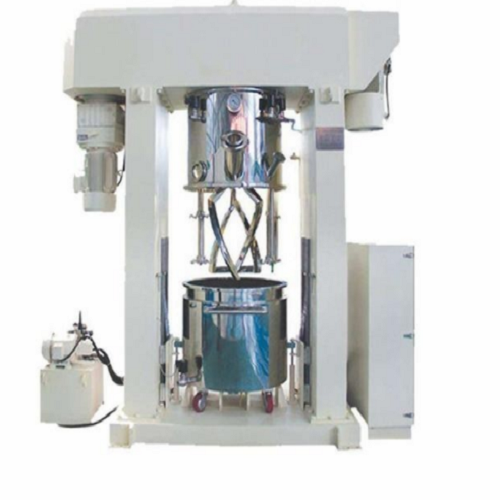
Active materials, conductive agents, and binders are mixed using planetary mixers or automated slurry preparation systems. Particle size distribution and viscosity are carefully controlled.
2. Electrode Coating and Drying
The cathode and anode slurries are applied to aluminum or copper foil using precision coaters such as slotdie or commabar coaters. The electrodes then pass through controlled drying ovens to remove solvents.
3. Calendering and Slitting
Calendering machines compress the coated layers to achieve the desired density. Afterward, the electrodes are slit into precisely dimensioned rolls or sheets.
4. Cell Assembly
Depending on design requirements, the plant may produce cylindrical, pouch, or prismatic sodiumion cells. Assembly involves stacking/winding, tab welding, and sealing.
5. Electrolyte Filling
Cells are transferred into a lowhumidity environment, where sodiumion electrolyte is injected under vacuum to ensure complete infiltration.
6. Formation and Aging
Cells undergo charge–discharge cycling to activate the electrode materials and stabilize the solid electrolyte interphase (SEI). The formation process is critical to the longterm performance and safety of the battery.
7. Testing and Sorting
Advanced testing equipment measures internal resistance, capacity, voltage consistency, and safety parameters. Cells are graded and matched for pack assembly.
Sodiumion batteries produced in these plants support a wide range of applications:
* Gridscale energy storage systems * Renewable energy integration (solar, wind) * Electric twowheelers and light mobility * Industrial power backup solutions * Consumer electronics (emerging use cases) * Telecommunication energy systems
Their costeffectiveness and thermal stability make them especially suitable for largescale storage deployments.
Advantages
A sodium battery production plant offers several notable advantages over traditional lithium battery facilities:
1. Lower Material Cost
Sodium is significantly cheaper and more abundant than lithium, reducing raw material expenditures.
2. Enhanced Safety
Sodiumion batteries typically provide better thermal stability, lowering fire risk and reducing plant safety management costs.
3. Wide Temperature Performance
These batteries can operate efficiently in lowtemperature or challenging environmental conditions, expanding their application scope.
4. Environmental Sustainability
Sodium extraction and processing have a smaller ecological footprint, supporting global sustainability goals.
5. Reduced Supply Chain Risk
By relying on widely available materials, the plant is less vulnerable to geopolitical fluctuations and resource shortages.



 Поддержка сети IPv6
 ru
ru en
en fr
fr de
de es
es pt
pt ko
ko tr
tr pl
pl th
th


